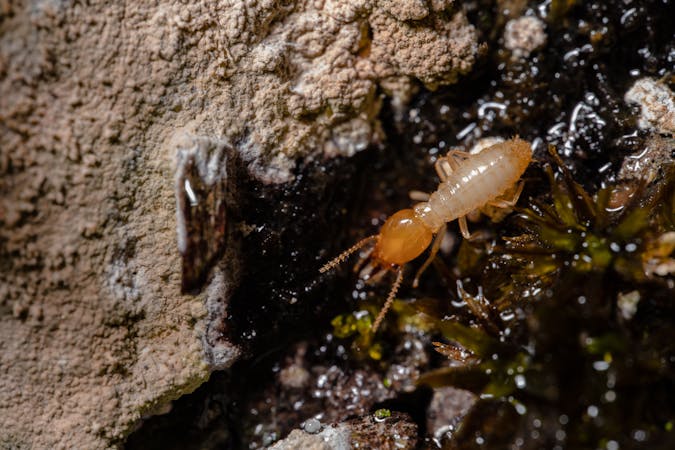
Termites cause an estimated five billion dollars in structural damage across the United States every year — and New York City is far from immune. March through May marks the peak of termite swarm season in the New York metro area, when mature colonies produce winged reproductives that fly out to establish new infestations. If you own or manage a home or multi-family building in NYC, now is the time to know what to look for.
Termite Season in New York City
Many New Yorkers assume termites are primarily a Southern problem. In reality, the Eastern subterranean termite (Reticulitermes flavipes) is the most destructive insect pest in the Northeast, and it thrives in New York's soil. Subterranean termites form colonies of up to two million workers that live underground and forage into structures from below, often for years before any visible damage becomes apparent.
Swarm season typically begins in late March in the New York area and runs through May, with peak activity during warm, humid days following a rain event. Seeing winged termites — also called alates or swarmers — near a window or emerging from a crack in your foundation is the most dramatic early warning sign of an active colony nearby.
Subterranean vs. Drywood Termites in NYC
Two termite species are relevant to New York homeowners:
Eastern Subterranean Termites
By far the more common species in NYC. These termites live in the soil and travel through mud tubes they construct from soil particles, wood fibers, and saliva. They attack wood from the ground up, preferring wood that has direct soil contact or is softened by moisture. They're prevalent in the outer boroughs, Westchester County, and Long Island, particularly in older homes with pier-and-beam foundations or wood in direct contact with soil.
Drywood Termites
Less common in NYC but occasionally found in furniture, hardwood flooring, and structural members. Drywood termites don't need soil contact and don't build mud tubes — they infest dry wood directly. Their presence is usually signaled by small pellets of fecal matter called frass, which look like tiny wood-colored grains.
7 Warning Signs of Termite Damage
Termites work from the inside out, making early detection challenging. These are the most reliable indicators:
How to Tell Termite Damage from Water Damage
Because subterranean termites seek out moisture-damaged wood, the two problems frequently occur together, making identification confusing. Here's how to distinguish them:
Water damage typically shows staining, soft or spongy wood, and discoloration on surfaces. It tends to follow gravity — damage spreads downward from a leak source. Termite damage, by contrast, features galleries running along the wood grain and may include mud tubes or frass. Termite-damaged wood often sounds hollow but shows no discoloration on the surface.
In practice, if you find water damage in a crawl space or basement, it's worth having a licensed pest professional inspect the area at the same time — moisture-damaged wood is prime termite habitat.
Why Eco-Friendly Treatment Matters in NYC's Dense Housing
New York City's housing density creates unique challenges for termite treatment. In brownstones, row houses, and attached multi-family buildings, a termite colony in one unit can readily spread to adjacent structures through shared foundation walls and soil. Aggressive chemical soil treatments that might be acceptable in a rural setting carry greater risk of exposure in densely occupied urban buildings.
Conventional termiticide treatments often involve large volumes of liquid pesticide injected into the soil along a structure's perimeter — an approach that raises legitimate concerns about runoff, groundwater, and resident exposure, particularly in buildings with children, elderly residents, or individuals with respiratory conditions.
Eco-conscious alternatives have advanced significantly and are now highly effective against New York's termite populations.
Eco-Friendly Termite Treatment Options
Our NYPMA-certified technicians at Organic Pest Control NYC use a targeted treatment approach built around two proven methods:
Borate Wood Treatments
Borate compounds (derived from naturally occurring boron mineral salts) are applied directly to wood surfaces and penetrate the wood grain. When termites consume treated wood, the borate disrupts their digestive system. Borates have very low toxicity to mammals and are widely used in organic pest management. They're particularly effective for treating accessible framing, floor joists, and wood in crawl spaces.
Baiting Systems
In-ground bait stations placed around a structure's perimeter contain cellulose material with a slow-acting active ingredient. Worker termites carry the bait back to the colony, eventually suppressing the entire population. Modern baiting systems have proven highly effective against subterranean termites and require far less product volume than traditional soil treatments.
Frequently Asked Questions
What does termite damage look like in a NYC brownstone?
In brownstones and row houses, termite damage most commonly appears in the basement or crawl space, around wood in contact with foundation walls, and along the sill plate — the lowest piece of structural lumber sitting on the foundation. You may see mud tubes running up concrete foundation walls, hollow or spongy floor joists, or a sagging appearance in floors above a damaged section. Discarded swarmer wings near basement windows after a warm spring rain are another common indicator.
How long does termite treatment take for a NYC home?
A bait station installation can typically be completed in a few hours for a standard brownstone or single-family home. Borate wood treatments for accessible areas take a similar amount of time. Full colony suppression through baiting typically occurs over two to six months as bait is carried back to the colony. Monitoring continues through regular follow-up visits to verify activity levels have declined.
Are termites in NYC active year-round?
Yes. While swarm season peaks from March through May, Eastern subterranean termite colonies remain active year-round as long as soil temperatures stay above about 50°F. In heated NYC buildings, colonies in contact with foundation walls or crawl spaces may remain active even through winter months. Year-round monitoring is the most reliable way to catch an infestation early.
How do I know if I have termites or carpenter ants?
Both can cause significant wood damage, but the signs differ. Carpenter ants leave behind coarse frass that contains insect body parts. Termite damage features smooth galleries running with the wood grain, and subterranean termites leave mud tubes on surfaces. Carpenter ant swarmers have a pinched waist and bent antennae; termite swarmers have a thick, straight-sided body and straight bead-like antennae. If you're uncertain, a licensed professional inspection is the most reliable way to confirm.