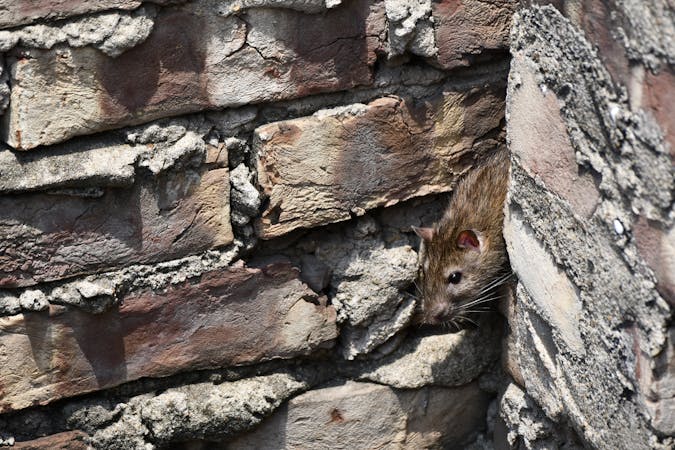
New York City has been waging a war against rats for centuries, and by most measures, the rats are holding their ground. Estimates suggest there are anywhere from two to eight million rats in the five boroughs — a figure that varies depending on methodology but consistently underscores the scale of the challenge. If you've seen a rat in or near your building, you are far from alone. But that doesn't mean you should ignore it.
Rat infestations in NYC apartment buildings carry real health consequences, and the sooner they're addressed with a comprehensive strategy, the better the outcome for residents.
The Health Risks of a Rat Infestation
Rats are not just an unpleasant nuisance. They are known carriers of several pathogens that can affect humans, sometimes seriously.
Leptospirosis
Leptospirosis is a bacterial infection spread primarily through contact with rat urine, which can contaminate water, soil, and surfaces. NYC has seen documented outbreaks of leptospirosis in recent years, particularly in the Bronx. Symptoms range from flu-like illness to severe liver and kidney damage if left untreated. The bacteria can enter the body through cuts in the skin or contact with mucous membranes.
Hantavirus
Hantavirus Pulmonary Syndrome, while rare, can be life-threatening. It is transmitted through contact with rat droppings, urine, or saliva — most commonly when disturbing contaminated material in an enclosed space like a basement or storage room. NYC residents who discover rat nests during spring cleaning or building renovations face the highest risk.
Salmonella
Rats contaminate food preparation surfaces and stored food with their droppings. Salmonella infections cause gastroenteritis — nausea, diarrhea, and fever — and are a particular concern in residential kitchens where rats have access to countertops or pantry storage.
Other Concerns
Rats also introduce fleas, mites, and ticks into buildings — each of which carries its own potential health risks. Rat bites, while uncommon, can transmit rat-bite fever. And the psychological impact of a known rodent infestation — sleep disruption, anxiety, and the stress of constant vigilance — should not be underestimated.
How Rats Get Into NYC Buildings
The Norway rat (Rattus norvegicus), the dominant species in New York, is a surprisingly capable infiltrator. An adult rat can compress its body to squeeze through any gap larger than a quarter — approximately half an inch in diameter. In NYC's aging building stock, these gaps are everywhere.
Common entry points include:
Rats are also strong swimmers and can enter buildings through floor drains connected to sewer lines. In older NYC buildings with deteriorating sewer infrastructure, this is more common than most residents realize.
Signs of a Rat Infestation in Your Building
Knowing what to look for helps you catch an infestation early, before it becomes entrenched:
NYC Sanitation Laws and Landlord Responsibilities
New York City's Administrative Code places clear obligations on building owners and landlords regarding rodent control. Under Local Law 55 of 2018 and subsequent Health Code provisions, property owners are required to maintain buildings in a rodent-proof condition, seal entry points within a prescribed timeframe after an inspection violation, and address active infestations promptly.
Tenants who observe signs of a rodent infestation can file a complaint with 311, which triggers an inspection by the NYC Department of Health and Mental Hygiene. Documented violations can result in fines that increase with each subsequent inspection failure.
For residents in rent-stabilized apartments, documented rodent infestations may also support rent reduction applications under the Rent Guidelines Board framework.
Organic and Eco-Conscious Rodent Control Methods
Effective rodent control in New York City requires a multi-layered approach. Poison bait alone — the most common approach used by low-cost exterminators — rarely solves the problem. Bait kills individual rats but doesn't address the entry points that allow new individuals to move in, and second-generation anticoagulant rodenticides carry documented risks to raptors, foxes, and other wildlife in the NYC area.
Our NYPMA-certified technicians use an Integrated Pest Management approach that prioritizes exclusion and monitoring:
This approach doesn't just kill the rats currently in the building — it prevents the next wave from moving in.
Frequently Asked Questions
How do rats get into Manhattan high-rise apartments on upper floors?
Rats are excellent climbers and can travel vertically inside wall voids, utility chases, and elevator shafts. They've been documented entering apartments on high floors in Manhattan through gaps around plumbing risers, near HVAC equipment, and in utility closets. A rat on the 15th floor almost certainly traveled up from a lower-level harborage point inside the building's infrastructure.
What are the signs that rats are in my apartment walls in NYC?
The most common signs are scratching or thumping sounds at night when the building is quiet, a persistent musky odor near baseboards, and grease marks along the base of walls. If you find gnawed food packaging or droppings in a kitchen cabinet, there's a strong possibility rats are accessing the space through the back of the cabinet where pipes pass through the wall.
How long does professional rat control take to work in an NYC building?
In a single apartment with active exclusion and trapping, significant reduction in activity typically occurs within one to two weeks. In a multi-unit building with entrenched harborage and multiple entry points, a comprehensive program may take four to six weeks of active treatment, followed by ongoing monitoring. The exclusion work — sealing entry points — is the most important factor in long-term success.
What should I do if I find a rat in my NYC apartment?
Do not attempt to handle or corner the animal. Document what you observed — location, time, approximate size — and notify your building manager or landlord immediately in writing. In a rent-stabilized building, this creates a paper trail relevant to your rights as a tenant. You can also file a 311 complaint if the landlord is unresponsive. Contact a licensed pest management professional to inspect the apartment and identify how the rat gained access.